Web Design for Small Business UK That Works
Web design for small business UK should bring leads, trust and visibility. Learn what really matters for speed, SEO and conversions online.
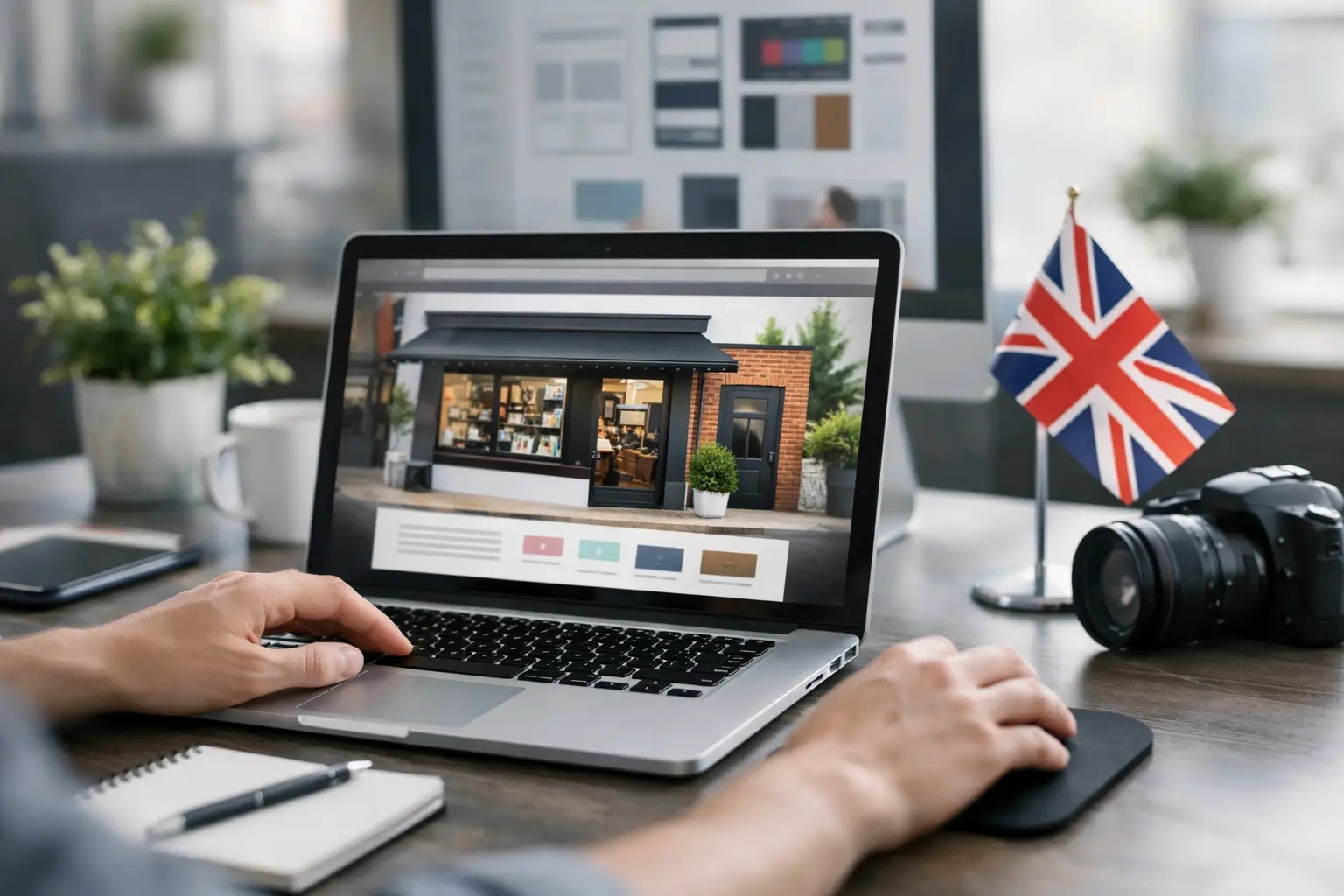
If your website looks respectable but rarely brings in enquiries, the problem usually is not that you need more pages or more design flourishes. For many firms, web design for small businesses in the UK comes down to one simple question: does the site help people trust you quickly enough to get in touch, buy, or ask for a quote?
That is where a lot of small business websites fall short. They may have a decent logo, a few stock images and a polite welcome message, but they do not make the next step obvious. They load slowly, read badly on mobiles, or fail to show up well in local searches. A website can look fine and still underperform.
What good web design should do for a small business
A small business website has a job to do. It should make your business easier to find, easier to trust and easier to contact. If it cannot do those three things, it is not working hard enough.
For local service businesses, that often means generating calls and quote requests. For retailers, it may mean turning browsers into buyers. For established SMEs, it could mean supporting sales conversations by presenting the business professionally and answering common objections before someone picks up the phone.
The design matters, but not in the way many people think. It is less about novelty and more about clarity. A strong website design helps visitors understand who you are, what you offer, where you work and why they should choose you. That sounds basic, but many websites bury that information under vague headlines and cluttered layouts.
Why web design for small businesses in the UK needs a different approach
Small businesses in the UK rarely have time or budget to waste on websites that only look impressive in a pitch meeting. They need something practical, reliable and built around results.
That means the right approach is usually not the most complicated one. A business with five core services and one trading area does not need a bloated site packed with unnecessary features. It needs a focused website that loads quickly, reads clearly and gives people confidence.
It also needs to reflect how people actually search. UK customers often look for services by area, urgency and trust signals. They want to know whether you cover their town, whether you are established, and whether contacting you will be straightforward. Your website should answer those questions without making people dig.
Local visibility matters more than clever design tricks
If a website is hard to find on Google, its design quality becomes far less relevant. Small businesses often need their website to support local SEO from the start. That includes clear service pages, sensible site structure, fast loading times and content that reflects the places and customers you serve.
A good-looking homepage alone will not do much if your service pages are thin, your mobile experience is poor and your site gives search engines very little context. Design and SEO should support each other, not compete.
Mobile performance is no longer optional
Most small business traffic now comes from mobiles. That changes how web design should be planned. Mobile users are usually more impatient, more task-focused and less willing to scroll through fluff.
If someone visits your site on their mobile and cannot quickly tap to call, understand your offer or fill in a short form, you are making it harder to win business. Mobile design is not about shrinking a desktop site. It is about making the important parts easier to use.
The pages that usually make the biggest difference
Not every page on a site carries the same commercial weight. Small businesses often get the best results by improving the pages people actually use when deciding whether to contact them.
Your homepage should explain the business quickly and direct users towards your main services. Your service pages should be specific, not padded with generic text. An about page should build trust rather than tell a long internal history. Testimonials, case studies and FAQs can all help if they answer real buying questions.
A contact page should be simple and reassuring. Include the essentials people look for – phone number, email, location, opening details if relevant, and a contact form that does not ask for too much too soon.
What small business owners should look for in a new website
The easiest trap is to judge a website project by appearance alone. A polished design is useful, but it is only one part of the picture.
A better question is whether the site is being built to support enquiries, visibility and long-term use. Can you update it without hassle? Will it be hosted properly? Is the copy written with customers in mind? Will the structure support SEO? Are the forms and calls to action placed where people actually need them?
It also helps to ask what happens after launch. Many small businesses have had the experience of paying for a website, only to find support disappears once it goes live. Ongoing help matters, especially if you do not want to manage updates, hosting and technical issues yourself.
Speed affects trust as much as rankings
Slow websites do not just frustrate Google. They frustrate customers. A sluggish site can make a business look dated or unreliable, even if the service itself is excellent.
Fast hosting, optimised images and clean development all play a part here. The technical side may sit behind the scenes, but the business impact is obvious. A faster website keeps more people engaged and gives a better first impression.
Copy matters more than many businesses expect
Design gets attention, but words close the gap between interest and action. Many small business websites use vague copy that sounds pleasant but says very little. Phrases like quality service and tailored solutions are common, but they rarely help someone decide.
Clear copy should explain what you do, who it is for, what makes your service useful and what the next step should be. It should sound like your business, not like a template. This is especially important in local markets where trust is built through plain speaking and relevance.
Common mistakes in web design for small businesses in the UK
One common mistake is trying to copy larger brands. Small businesses often do better with a more direct and practical site. People are not looking for a corporate experience. They are looking for confidence, clarity and a straightforward route to contact.
Another issue is overloading the site with features that do not support sales. Animations, sliders and clever visual effects can look impressive, but they can also slow the site down and distract from the message. Sometimes less really does convert better.
There is also the problem of treating launch day as the finish line. A website should improve over time. You may need to refine service pages, strengthen local landing pages, test calls to action or add content that answers recurring customer questions. The best-performing sites are usually maintained, not abandoned.
Choosing the right web design partner
For a small business, the right agency or designer should be able to explain things clearly and tie recommendations back to business outcomes. If every answer is wrapped in jargon, that is usually a warning sign.
You want someone who understands that your website is part of how you win business, not a design exercise in isolation. They should be interested in your customers, your service area, your goals and the practical constraints of running a business.
It also helps if they can support more than just the build itself. Design, SEO, hosting, content and ongoing support often work better when they are handled together rather than split between different providers. That tends to create a more joined-up result and less back-and-forth for the client.
For businesses in Somerset, Bristol, Bath and North Somerset, working with a local team can make those conversations easier. Somerset Web has built its approach around that idea – straightforward advice, performance-led websites and support that keeps the commercial goal in sight.
What a better website really gives you
A better website should reduce friction. It should help the right people find you, understand your offer and feel comfortable taking the next step. That might mean more calls, more quote requests, better-quality leads or stronger trust before a sales conversation even begins.
Not every improvement shows up overnight, and results depend on your market, competition and how the site is supported after launch. But when the fundamentals are right – speed, clarity, usability, trust and visibility – your website starts pulling its weight.
If your current site looks acceptable but is not helping the business grow, that is usually the moment to stop asking whether it needs a refresh and start asking whether it is doing its job properly.